AI and Scripture: Questions Christians Should Ask
Artificial intelligence is becoming harder to avoid. It shows up in search engines, writing tools, customer support systems, productivity apps, and increasingly, Christian products.
Some Christians are excited about that. Others are deeply skeptical. Many are somewhere in the middle, unsure what to think.
I understand the hesitation.
When a tool starts talking about faith, Scripture, prayer, or spiritual growth, the stakes are higher than they are with a grocery app or a weather forecast. Christians should be careful about what they trust. We should ask questions. We should examine claims.
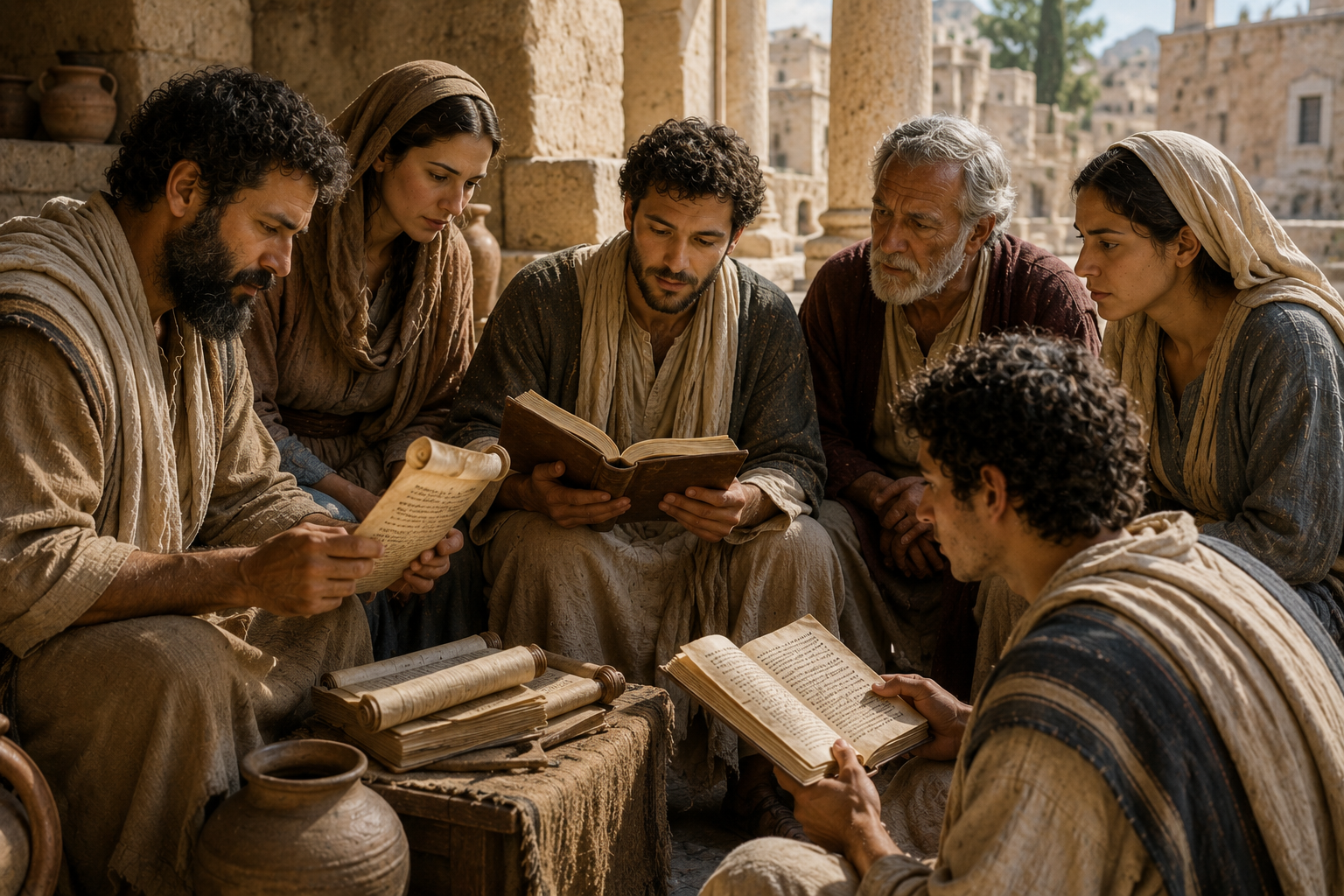
In Acts 17, the Bereans were commended because they examined what they heard rather than accepting it blindly. That is a useful model for how Christians should approach AI: not with panic, not with naïveté, but with discernment.
The first question is not whether AI is good or bad.
The first question is simpler:
How does this tool handle Scripture?
Not every Bible verse on the internet is the same
When people see a Bible verse inside an app, they often assume they know what they are looking at. Sometimes they are right. Sometimes they are not.
A verse might be a direct quotation from a Bible translation. It might be a paraphrase. It might be a summary. It might be a devotional thought inspired by a passage. Or it might be AI-generated religious language that merely sounds biblical.
Those are not the same thing.
The problem is not that paraphrases or summaries exist. They can be useful. The problem is when those categories become blurry.
If a Christian AI tool presents generated text in a way that makes users think it is Scripture, that should concern us.
Scripture deserves to be handled carefully and clearly.
Mat44 does not use AI to generate Scripture text. Scripture comes from approved stored translations and remains distinct from reflection, paraphrase, and AI-assisted support.
Ask what comes from Scripture and what comes from AI
One of the most useful questions a Christian can ask is:
What exactly is the AI doing?
That question sounds technical, but it is actually practical.
Is the AI writing Bible verses? Selecting Bible verses? Summarizing Bible verses? Generating devotional thoughts? Answering theological questions?
Those are very different activities.
A tool that retrieves a stored Bible verse is doing something different from a system generating new religious language. A tool that helps organize notes is doing something different from a tool claiming spiritual authority.
Unfortunately, many conversations about AI skip this distinction entirely. Everything gets lumped together into one category called “AI.”
That makes careful evaluation much harder.
Not all AI is the same
One reason Christians often talk past each other on this topic is that the term AI covers an enormous range of systems.
An image generator is not the same thing as a Bible app. A customer support chatbot is not the same thing as a sermon-writing tool. A search assistant is not the same thing as a spiritual companion.
The differences matter.
Imagine someone saying, “The internet is dangerous.” That statement is both true and incomplete. The internet contains libraries, churches, scams, educational resources, pornography, academic journals, and cat videos.
Evaluating all of that under one label is not very helpful.
AI is similar. The question is not simply whether AI is involved. The question is what role it is playing.
Prompts are not the same thing as guardrails
In many discussions about Christian technology, I hear people ask: “Can AI be trusted?”
I think there is a more useful question:
What boundaries has the builder created?
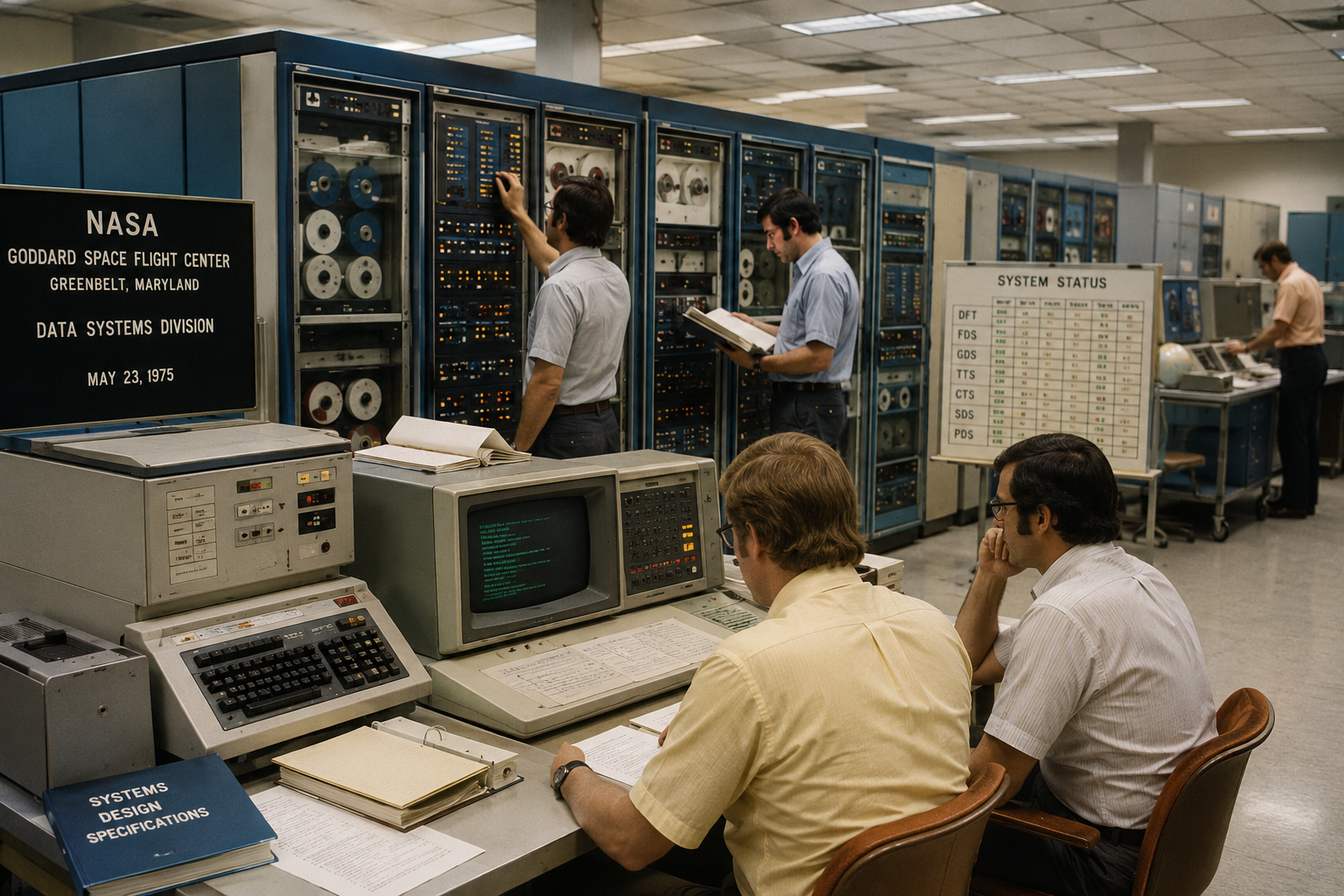
Early computer systems are a helpful reminder: technology follows structure, not intention.
My dad used to say an old computer science line: “Computers don’t do what you want them to do. They do what you tell them to do.”
That matters here.
Many people imagine AI safety as a polite instruction: “Please be careful.” But instructions and boundaries are not the same thing.
A prompt is an instruction. A guardrail is a boundary.
A prompt says, “Please answer carefully.”
A guardrail says, “This category of request is handled differently, redirected elsewhere, or refused altogether.”
That distinction becomes especially important when a tool starts interacting with spiritual topics.
AI should not become a spiritual authority
This concern deserves to be taken seriously.
Christians should be cautious about any system that encourages dependence on itself. A healthy Christian tool should not try to replace Scripture, prayer, church community, pastors, priests, bishops, elders, or trusted mentors.
Technology can be useful. Technology should not become a substitute for spiritual authority.
That is one reason I become nervous when AI products are marketed as if they possess wisdom, insight, or authority of their own.
They do not.
At their best, they are tools. At their worst, they can create the illusion of wisdom without the accountability that real Christian leadership requires.
Questions worth asking before you use a Christian AI tool
Before downloading or recommending a Christian AI product, consider asking:
- Does it clearly distinguish Scripture from generated content?
- What Bible translation is being used?
- Does it identify paraphrases and summaries honestly?
- Does it encourage dependence on the app, or engagement with Scripture?
- Does it respect different Christian traditions?
- Does it redirect serious spiritual questions back toward trusted human leaders?
- Does it explain what the AI is actually doing?
Those questions will tell you far more than a marketing page ever will.
How these questions shaped Mat44
These concerns are not theoretical for me. They are some of the reasons I built Mat44 the way I did.
I wanted Scripture to remain central. I wanted reflection to remain separate from Scripture itself. I wanted Christian traditions to be treated respectfully rather than flattened into generic language.
And I wanted the app to function as a companion rather than a teacher.
That does not mean Mat44 is perfect. It does mean these concerns were considered from the beginning.
In my experience, the healthiest conversations about AI do not begin with excitement or fear. They begin with better questions. The Bereans were praised for examining claims carefully, and Christians can bring that same posture to AI: not assuming every tool is trustworthy, not assuming every tool is dangerous, but asking what is true, what is wise, and what helps us stay rooted in Scripture.
Curious how this works in practice?
Try Mat44 and see how Brenda keeps the focus on Scripture, reflection, and trusted human guidance.
Try Mat44